GEOLOGICAL & HISTORICAL DIRT ROOTS? HOW THE BRANDYWINE SOIL BECAME SANDYTHE GROUND UNDER YOUR FEET IS THE RESULT OF MILLIONS OF YEARS OF GEOLOGICAL OCEAN CHANGES. RURAL PRINCE GEORGE’S COUNTY SITS ENTIRELY IN THE ATLANTIC COASTAL PLAIN REGION. APPROXIMATELY 5 TO 10 MILLION YEARS AGO, THIS REGION WAS COMPLETELY SUBMERGED UNDER AN ANCIENT SHALLOW OCEAN BASIN. AS PREHISTORIC GLACIERS MELTED AND SHIFTED, ANCIENT RIVER RUNOFF DEPOSITED MASSIVE DELTAS OF GRAVEL, COARSE QUARTZ SAND, AND METAMORPHIC SILT KNOWN NATIVELY AS THE UPLAND DEPOSITS OR THE “BRANDYWINE FORMATION”. WHEN THE SEA LEVELS RE CEDED PERMANENTLY, IT LEFT BEHIND A DEEP WEDGE OF WELL-DRAINED, COARSE SANDY LOAM SOIL LAYERED OVER CRUSHED METAMORPHIC GRAVEL CORES. THIS IS EXACTLY WHAT MAKES YOUR SOIL A PERC-TESTING POWERHOUSE TODAY.
? WHO DISCOVERED TOBACCO WAS A GOOD CROP HERE? WHILE NATIVE AMERICAN TRIBES HAD CULTIVATED WILD TOBACCO SPECIES IN THE REGION FOR CENTURIES, JOHN ROLFE IN COLONIAL JAMESTOWN FIRST DISCOVERED IN 1612 THAT SWEET CARIBBEAN TOBACCO SEEDS (NICOTIANA TABACUM) WOULD EXPLODE WITH GROWING QUALITY IN MID-ATLANTIC COASTAL SOILS. WHEN THE COLO NIAL PROPRIETOR CECILIUS CALVERT (LORD BALTIMORE) FOUNDED THE MARYLAND COLONY IN 1634, THE COLO NISTS IMMEDIATELY EXPORTED THIS AGRICULTURAL SYSTEM INTO SOUTHERN MARYLAND. CORRUPT COLO NIAL GOVERNORS AND ENGLISH MERCHANTS DISCOVERED THAT BRANDYWINE’S SANDY LOAM PRODUCED AN EXTREMELY UNIQUE, SLOW-BURNING, AIR-CURED CROP CALLED “TYPE 32 MARYLAND LEAF”. FOR OVER 300 YEARS, THIS LEAF ACTED AS THE PRIMARY GLOBAL EXPORT CASH CROP AND WAS SO STABLE IT NATIVELY OPERATED AS THE OFFICIAL FIAT CURRENCY OF MARYLAND LAW.
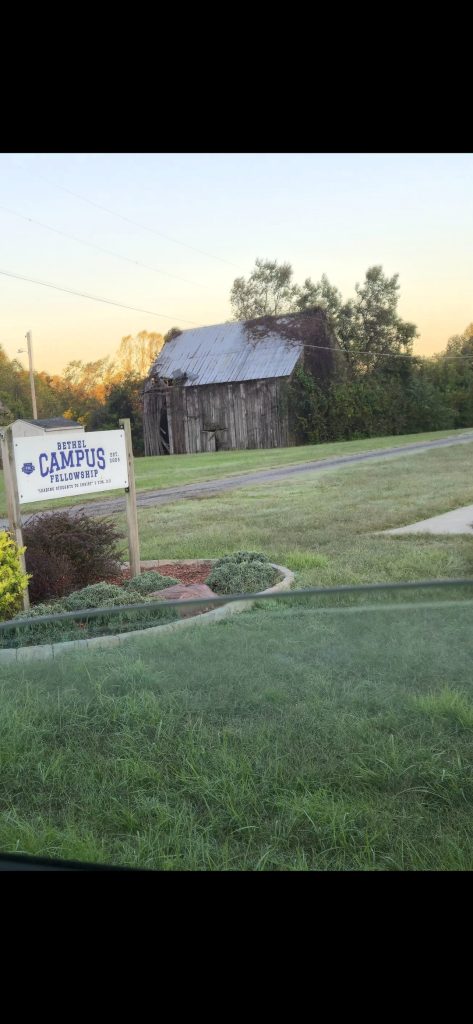
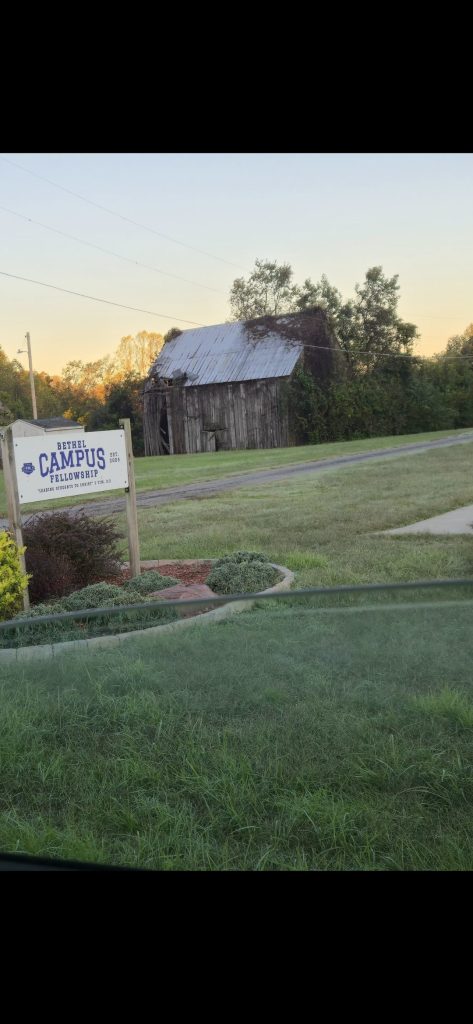
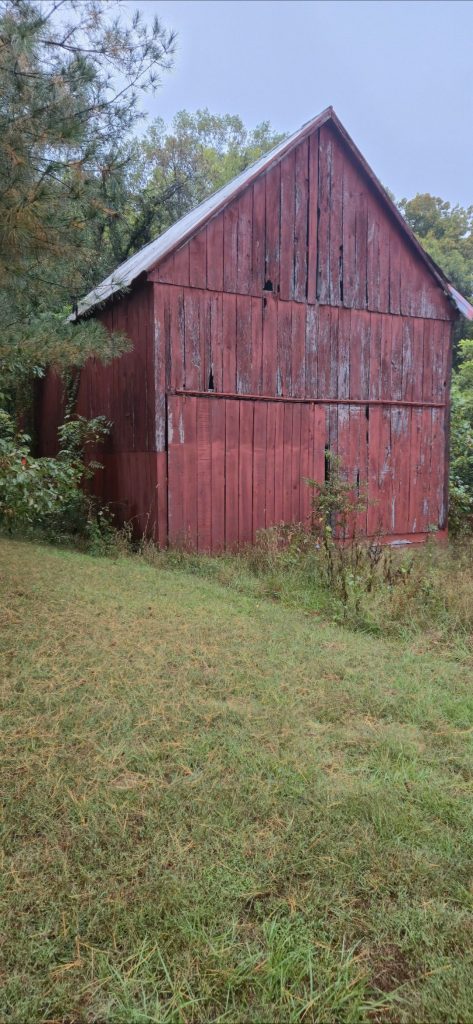
?? THE BARN MYSTERY: GROUND SIDING VS. FOUNDATION BOULDERSTHE OLD HOLLOW TOBACCO BARNS YOU SEE THROUGHOUT CHARLES AND ST. MARY’S COUNTIES WHERE THE SIDEBOARDS TOUCH THE BARE SOIL WERE COMMONLY BUILT EXPEDIENTLY POST-CIVIL WAR GRUNT TRADITION. PLANTERS BUILT THEM WITH EARTH-TOUCHING WALLS TO TRAP RISING SOIL HUMIDITY AT THE BASE DURING RUSHED DRYING CYCLES, PREVENTING THE DRYING CORN OR TOBACCO LEAVES FROM SHATTERING.
The differences you are seeing in the tobacco barns around Brandywine, Maryland (and broader Southern Maryland) are not construction mistakes—they are intentional design features engineered for air-curing tobacco. A tobacco barn functions as a giant mechanical system designed to control airflow, temperature, and humidity. The decision to let sideboards touch the ground or leave a one-foot gap comes down to how the specific barn was designed to draw air, the structural foundation, and how it protected the bottom tier of hanging crops.
1. Why Some Barns Have a One-Foot Gap at the BottomThe barns with a distinct gap at the ground level are using a specific ventilation method known as the “chimney effect” or updraft ventilation.• The Intake Vent: Hot air naturally rises. In a tobacco barn, heat generated by the curing tobacco (or solar heat hitting the roof) escapes out of the top ridge vents or cupolas. To keep air moving, the barn needs a constant source of fresh, cool air. The 12-inch gap at the bottom acts as a continuous air intake, pulling a draft off the ground, moving it up through the hanging leaves, and exhausting it out the roof.• Foundation Style: Many Southern Maryland barns were built on simple stone piers, cedar posts, or concrete blocks rather than continuous concrete foundations. Leaving the vertical siding elevated off the damp earth prevents the wood boards from rotting due to ground moisture.
2. Why Other Barns Touch the GroundBarns where the sideboards go all the way down to the ground rely on different methods to regulate airflow, or prioritize crop protection:• Hinged or Slatted Side Vents: Instead of pulling air from a permanent bottom gap, these barns usually feature vertical hinged doors (vent boards) distributed along the walls. Farmers could open or close these individual planks by hand to precisely control how much wind entered the barn depending on the weather that day.• Protecting the Lower Tier: Southern Maryland tobacco was hung upside down on wooden tier poles. In some barn layouts, the lowest row of hanging tobacco sat very close to the floor. Bringing the sideboards all the way to the ground protected those valuable bottom leaves from blowing rain, dirt splashback, mud, and scavenging animals.• Post-Tobacco Adaptation: Many historic Maryland barns have been modified over the decades. If a farmer transitioned from tobacco to storing hay, livestock, or modern machinery, they frequently extended the siding down to the ground or added a modern foundation to seal the elements out. Siding Options & Airflow Systems ComparedBarn Feature Bottom Gap (1-foot space) Siding Touches GroundPrimary Air Source Constant low-level intake (updraft vacuum effect) Adjustable hinged planks, doors, or open vertical board gapsMoisture Strategy Maximum continuous airflow to prevent leaf rot Shielding the lower tier of tobacco from rain and ground sprayRot Prevention High; wood is kept away from damp soil Moderate; requires regular maintenance of bottom plates/boardsIf you look closely at the barns in Prince George’s County that have the bottom gap, you will likely also notice large opposing barn doors or high roof lines. When the big doors are open, the bottom gap works in tandem with them to create a perfect cross-breeze, ensuring the thick tobacco leaves dry slowly over the fall and winter without molding or crumbling to dust.
History of tobacco farming and preparation in MarylandAug 22, 2022 — piled on the ground to about ten sticks of plants (50 plants) Tips were dull in appearance, had poor color, and were shorter leaves. This continued to make a “h…Maryland State Archives (.gov)Maryland Agriculture, Farming Agriculture has played an important role in Maryland since its founding in 1634. While tobacco then was the main crop, wheat, corn, fruits and vegetables The Brandywine series consists of very deep somewhat excessively drained moderately rapidly permeable soils on uplands. Slopes range from 0 to 65 percent. annua…Maryland State Archives (.gov) Benedict Quadrangle, Geologic MapContains beds and lenses of silt- clay, massive to laminated, in places bearing organic matter such as leaves, twigs, and logs, as well as rare peat beds. sand, Maryland Geological Survey (.gov)Geologic Maps of Maryland: Coastal Plain Rocks and Sediments Upland Deposits (Eastern Shore) Gravel, sand, silt, and clay. Mostly cross-bedded, poorly sorted, medium- to coarse-grained white to red sand and gravel, boulde…Facebook·Southern Maryland Events St. Mary’s County, MD tobacco farming history and its impact For more than 300 years, tobacco helped shape Southern Maryland. After World War II, nearly 50,000 acres were planted across the region. By 1998, that number ha…Encyclopedia VirginiaTobacco in Colonial VirginiaTobacco formed the basis of the colony’s economy: it was used to purchase the indentured servants and enslaved laborers to cultivate it, to pay local taxes and …Family Nibbles3 16 – Charles Cheney, Tobacco Colony Charles Cheney and his family were second generation tobacco planters. In 1700, tobacco was Maryland’s dominant cash crop, particularly in Southern Maryland.
About the Author